Serengeti National Park: Secrets of Africa’s Most Iconic Wilderness
Serengeti National Park is a vast and iconic wildlife destination in Tanzania, renowned for its endless plains, exceptional predator sightings, and the world-famous Great Migration.
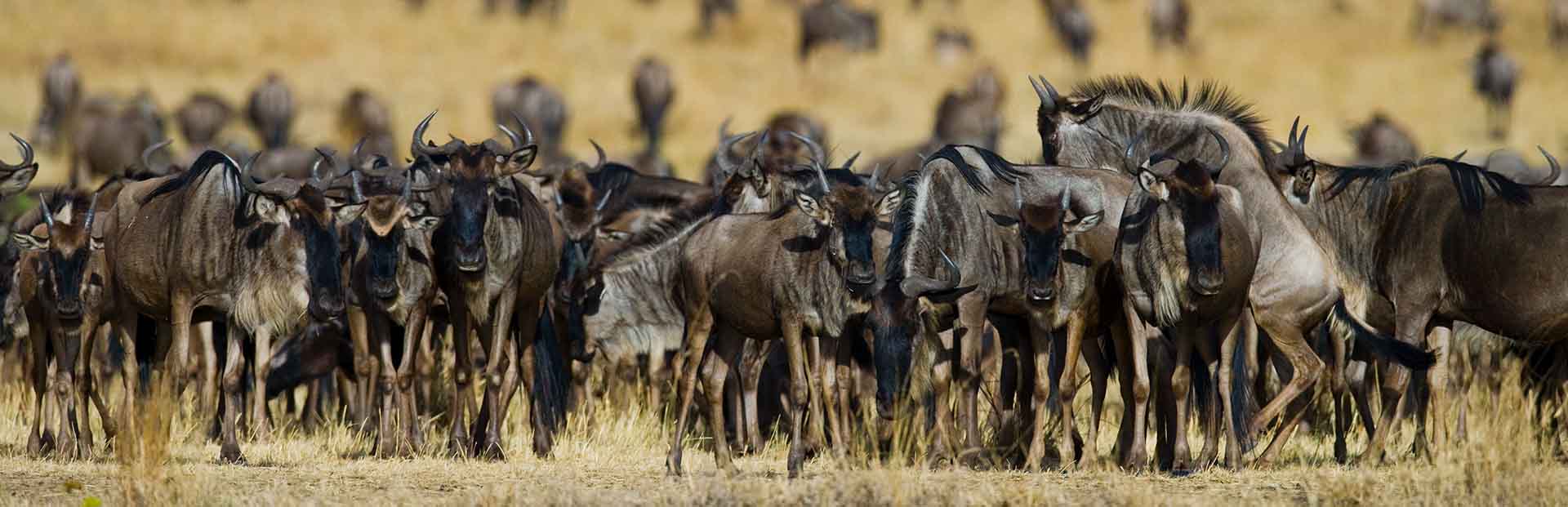
When people think of Serengeti National Park, they immediately picture the Great Migration. However, Serengeti offers far more than thundering hooves and dramatic river crossings. This vast Tanzanian wilderness hides ancient kopjes, secret predator territories, endless golden plains, and some of the richest biodiversity in Africa. If you want to experience something deeper and more meaningful, Serengeti delivers adventure at every turn.
Serengeti National Park: A Living, Breathing Ecosystem
Stretching across more than 14,700 square kilometers, Serengeti National Park forms the heart of the Serengeti-Mara ecosystem. Unlike many wildlife destinations, Serengeti remains wild, raw, and remarkably untouched. Here, nature sets the rhythm.
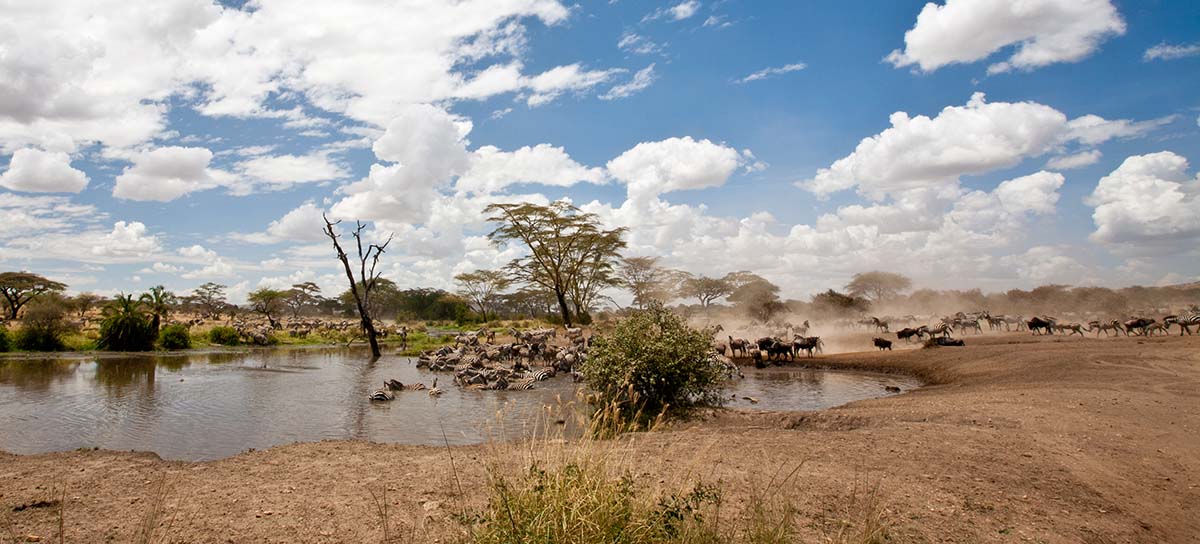
The park’s ecosystem changes dramatically with the seasons. During the green season, short grass plains burst with life and newborn animals. In contrast, the dry season concentrates wildlife around rivers and waterholes, creating spectacular game-viewing opportunities. Because of this constant movement, no two safaris in Serengeti ever feel the same.
Beyond the Great Migration: Hidden Wildlife Experiences
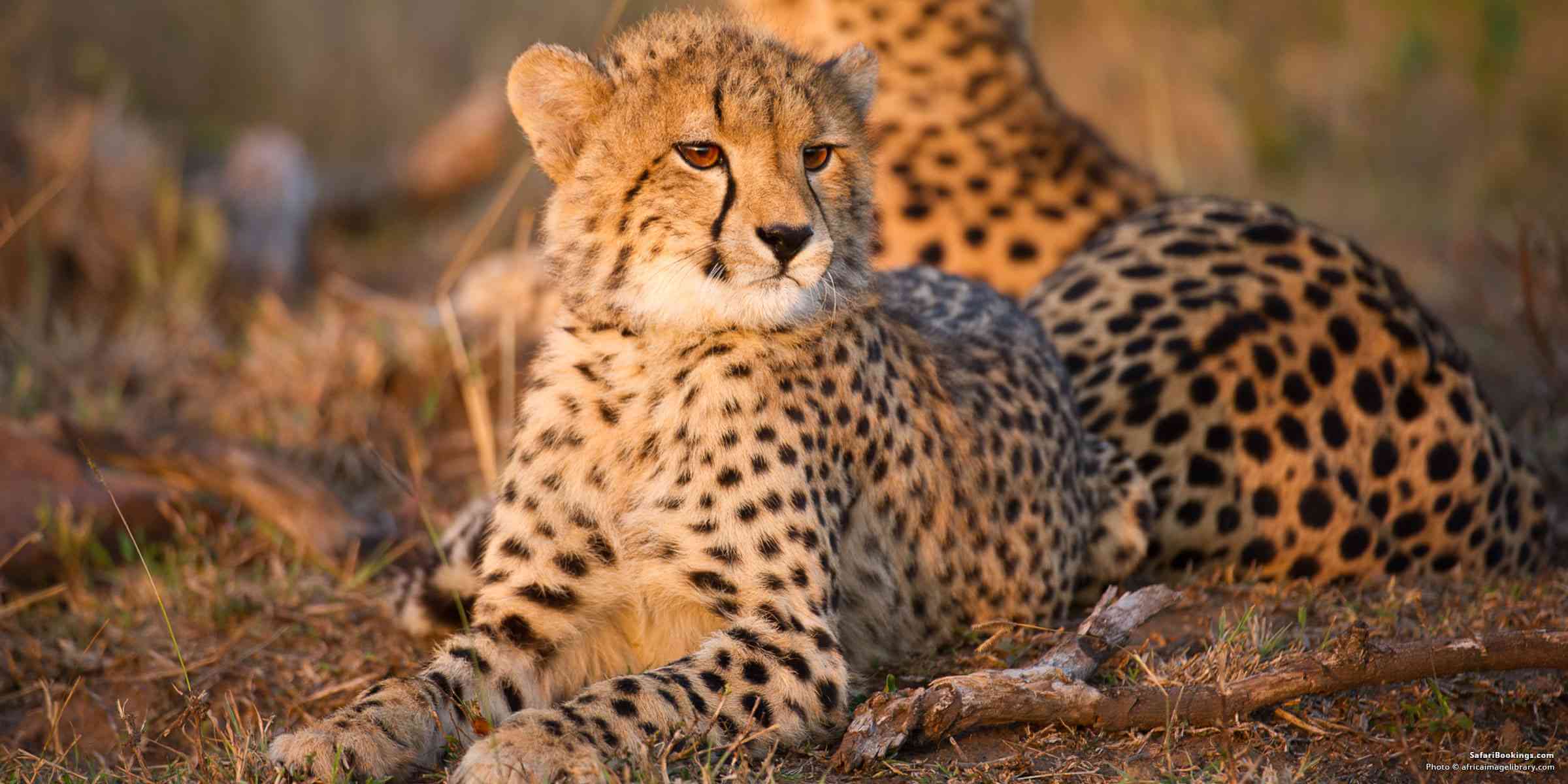
Although the Great Migration in Serengeti draws global attention, visitors often discover that resident wildlife steals the show. The park supports one of the highest concentrations of predators in Africa. Lions dominate the kopjes, leopards rest in acacia trees, and cheetahs scan the plains for movement.
Moreover, Serengeti shelters over 500 bird species, making it a paradise for bird lovers. Secretary birds stride across the grasslands, while colorful lilac-breasted rollers flash through the sky. Even smaller creatures, from dung beetles to bat-eared foxes, play vital roles in this balanced ecosystem.
As a result, every game drive reveals something unexpected.
Serengeti National Park: The Magic of Serengeti Kopjes
Rising dramatically from the flat plains, granite kopjes create natural islands in a sea of grass. These rocky outcrops serve as lookout points for lions and shelter for hyraxes, snakes, and leopards. Additionally, kopjes hold archaeological significance, with some containing ancient human artifacts.
Because predators often rest here during the heat of the day, kopjes offer excellent photographic opportunities. The contrast between golden grasslands and dark stone formations creates truly iconic safari images.
Serengeti National Park Safari Activities That Go Beyond Game Drives
While traditional game drives remain popular, Serengeti also offers unique safari experiences that many travelers overlook.
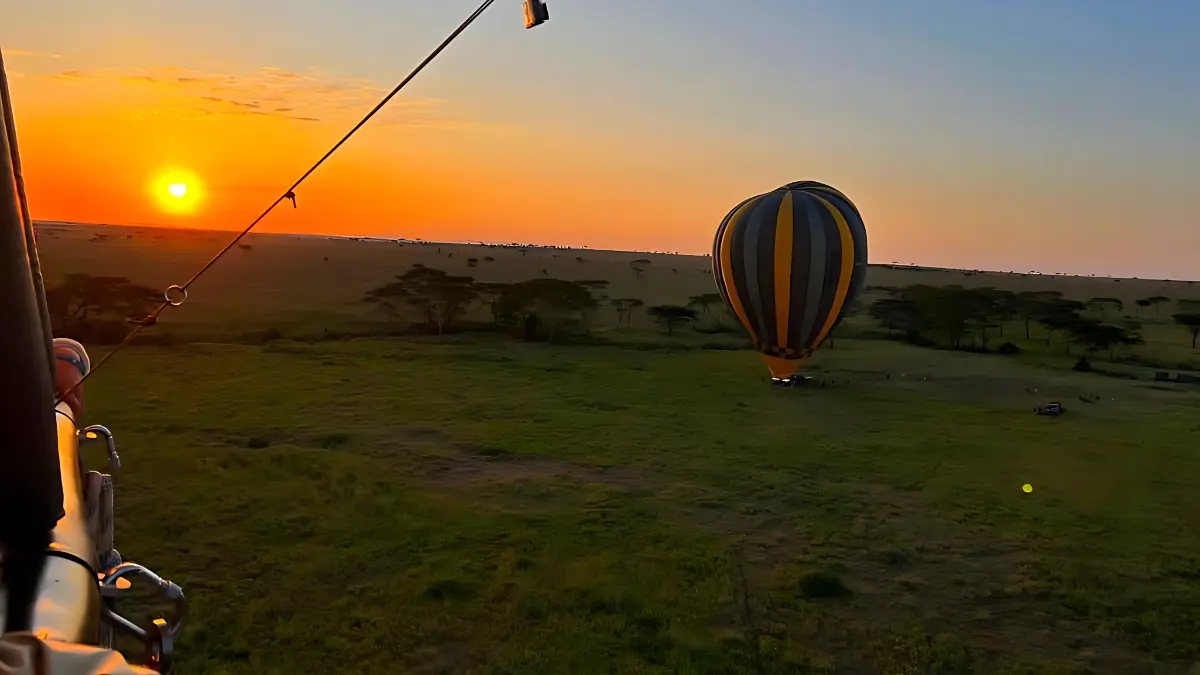
Hot Air Balloon Safaris
Floating silently above the plains at sunrise transforms your perspective entirely. From above, you witness herds forming patterns across the landscape, rivers winding through acacia woodlands, and predators moving through the grass. Afterwards, a champagne breakfast in the bush completes the experience.
Cultural Encounters
Bordering the park, Maasai communities maintain traditions that have existed for generations. Visiting a Maasai village adds cultural depth to your Serengeti safari, connecting wildlife conservation with local heritage.
Best Time to Visit Serengeti National Park
Serengeti remains a year-round destination, yet timing shapes your experience.
December to March: Calving season in the southern plains, excellent for predator action.
April to May: Fewer crowds and lush landscapes during the green season.
June to October: Prime wildlife viewing and river crossings in northern Serengeti.
Therefore, the best time to visit Serengeti depends on your priorities—migration drama, photography, or quieter safari moments.
Why Serengeti National Park Feels Different
Unlike smaller parks, Serengeti offers a sense of scale that feels almost infinite. The horizon stretches endlessly, and the silence feels profound. Consequently, visitors often describe Serengeti not simply as a safari destination, but as an emotional experience.
Here, you witness the raw cycle of life—birth, survival, predation, and renewal. Yet, at the same time, you feel a deep sense of peace.
Sustainable Tourism in Serengeti
Conservation plays a critical role in protecting Serengeti National Park. Strict regulations, limited lodge development, and anti-poaching initiatives help preserve wildlife populations. Responsible safari operators also support local communities and environmental projects.
By choosing ethical travel practices, visitors directly contribute to the protection of this UNESCO World Heritage Site.
Final Thoughts: Serengeti Is More Than a Safari
Ultimately, Serengeti National Park stands as one of the last great natural theaters on Earth. Yes, the Great Migration remains unforgettable. However, the real magic lies in quiet sunrise moments, distant lion roars, shifting clouds over endless plains, and the understanding that nature still reigns supreme here.
If you seek a safari that feels authentic, powerful, and unforgettable, Serengeti will exceed expectations—again and again.